
DUI Defense6 min read
First-Time DUI in Pennsylvania: ARD and Your Options
If you are facing a first DUI in Pennsylvania, ARD may be the difference between a conviction and a path toward dismissal and expungement.
Read articleDUI Defense
License concerns, testing issues, ARD decisions, and sentencing exposure start almost immediately after a DUI arrest. Leonard Law Group helps drivers in Greensburg, throughout Westmoreland County, and across Western Pennsylvania assess the stop, the testing, the PennDOT picture, and the real options before the case gets pushed down a default path.
ARD
Guidance and review
License
Exposure analysis
Testing
Procedure scrutiny
Direct
Attorney access
First offense and repeat DUI defense
Representation for first-time and repeat DUI cases, including alcohol-related, drug-related, refusal, accident, and license consequence issues in Greensburg and across Westmoreland County.
DUI defense draws on Jeff Leonard’s decades of criminal and courtroom experience, with direct attorney access from a Greensburg firm that stays local and hands-on.
Focused on the legality of the stop, the officer’s observations, the quality of the blood or breath testing, and the strategic value of ARD, suppression work, or negotiated alternatives.
Why timing matters
What happened during the stop, what testing occurred, what was said, what PennDOT consequences may already be in motion, and whether ARD or a harder defense strategy is actually available all need to be evaluated early. Delay can close off options that mattered at the start.
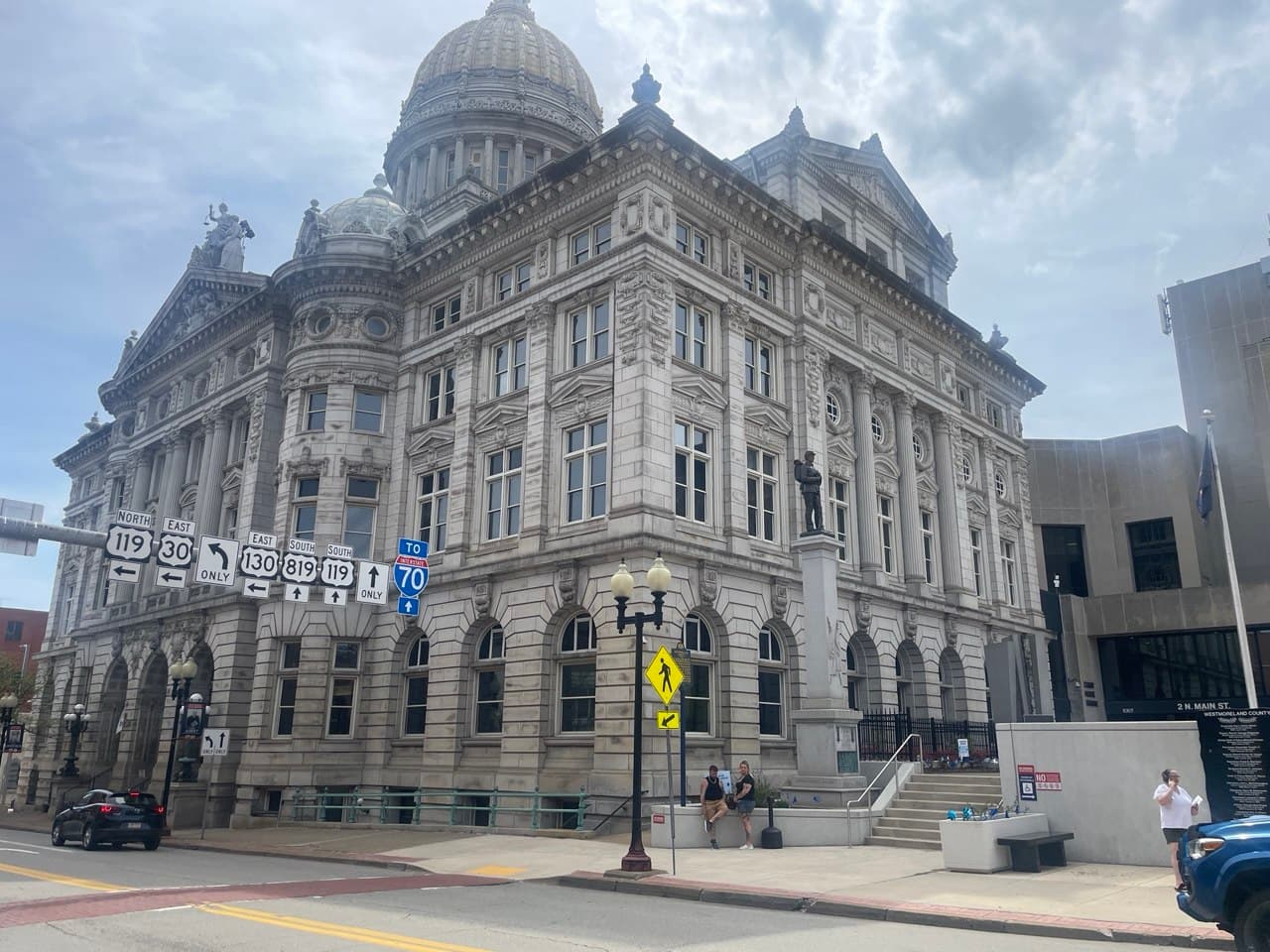
A DUI stop may happen in Latrobe, Hempfield, Murrysville, or elsewhere, but many cases that keep moving end up being judged against what happens next in Greensburg.
Westmoreland County process
Leonard Law Group is based in Greensburg and handles matters that move through Westmoreland County courts, county process, and the practical local realities clients are actually facing.
Start Here
Pennsylvania DUI cases are not only about the BAC number. They often turn on the basis for the stop, field observations, refusal consequences, blood draw procedure, implied-consent warnings, timing, prior record, and whether the client is making disciplined choices in the first days after arrest and before the case moves toward Greensburg.
Firm fit
Leonard Law Group is built for matters that need practical judgment early, clear communication, and leverage that improves with preparation.
If the vehicle stop was weak, unsupported, or stretched beyond what the officer was allowed to do, that can affect much more than people realize. A bad stop can undermine the rest of the case.
Breath and blood evidence are only useful to the Commonwealth if the collection, warnings, chain, and interpretation are solid. Those assumptions deserve scrutiny.
For first-time offenders especially, the practical question is often not just whether ARD exists in theory, but whether the case should be pushed there immediately or evaluated first for better leverage.
Clients often focus on court and underestimate how much PennDOT consequences can affect work, family logistics, and the real pressure of the case.
Where We Help
The firm helps drivers understand both the courtroom side of the DUI case and the practical fallout that can come with it, especially when the case started with a local stop but is moving into a county-level process.
Cases where ARD eligibility, dismissal potential, plea strategy, and future record consequences need a practical review before assumptions harden into bad decisions.
Matters involving prior offenses, high BAC allegations, accidents, refusals, minors in the vehicle, interlock issues, or jail exposure that need more disciplined defense planning.
Traffic stops, vehicle observations, field testing, and police procedure issues that may create suppression arguments or negotiating leverage in district court and beyond.
Testing reliability, implied-consent issues, timing problems, refusal consequences, and whether the prosecution’s scientific proof is as strong as it looks on paper.
Analysis of suspension risk, ignition interlock, PennDOT fallout, and the work-related disruption that often matters just as much as the criminal charge itself.
Cases where the DUI arrest also involves a traffic stop search, drugs, open container issues, accidents, or other charges that push the matter into broader criminal defense territory.
How Matters Usually Move
The right result can come from dismissal, suppression, ARD, reduction, or trial readiness. Which path makes sense depends on the facts, the local court posture, and not assuming every DUI case resolves the same way.
Start with the stop, the paperwork, prior history, testing, refusal questions, and the practical consequences already in motion for license, interlock, and work purposes.
The defense reviews whether the stop was lawful, whether the observations are overstated, and whether the testing evidence is technically and procedurally sound.
If ARD is appropriate, it has to be weighed intelligently and with local practice in mind. If the case has real legal weaknesses, suppression or harder negotiation may be the better route.
When the Commonwealth is not offering a fair result, the case has to be prepared for the next stage with enough substance to change the leverage.
Related Reading
If you are facing a first DUI in Pennsylvania, ARD may be the difference between a conviction and a path toward dismissal and expungement.
Read articleA DUI arrest in Latrobe, Murrysville, Hempfield, or another local municipality does not necessarily stay there. Once charges are held for court, the case usually shifts toward the Westmoreland County Court of Common Pleas in Greensburg.
Read articleA breath-test refusal can trigger a license suspension and reshape a DUI case quickly, even before the court date arrives.
Read articleA new Pennsylvania Superior Court decision says yes, which means a legal supplement sold at gas stations or smoke shops can still support a DUI case if the Commonwealth claims it impaired safe driving.
Read articleFederal marijuana rescheduling is important, but it does not automatically legalize recreational marijuana or erase Pennsylvania marijuana DUI exposure.
Read articleQuestions Clients Ask
A first DUI can still affect your license, record, insurance, employment, and future exposure. Even where ARD may be available, it makes sense to understand the stop, the testing, and whether a better outcome is realistically available before deciding how to proceed.
Yes, sometimes. The number alone is not always the whole case. The stop, the timing, the observations, the testing process, and the handling of the evidence can all matter.
A refusal can trigger separate license-related consequences and still leave you facing the DUI prosecution. That is one reason early advice matters. The criminal case and the practical license fallout need to be viewed together.
Not automatically. ARD is often valuable, but the right decision depends on eligibility, the facts of the stop, the evidence strength, and what consequences the client is trying to avoid. It should be chosen deliberately, not by default.
Keep the paperwork, release papers, and any notice from PennDOT or the court together, and write down what you remember about the stop while it is still fresh. The first review is meant to clarify what the firm handles, whether ARD should be considered, and what needs immediate attention on the court and license sides.

Get a practical review of the stop, the testing, the likely penalties, the PennDOT picture, and whether ARD or another strategy should be on the table right away. The first step is understanding what kind of case this actually is before it gets treated like every other DUI.