
Criminal Defense6 min read
Your Rights During a Traffic Stop in Pennsylvania
A traffic stop can get worse fast if you do not know what you have to provide, what you can refuse, and when to stop talking.
Read articleCriminal Defense
A criminal case can threaten your freedom, employment, record, firearm rights, license, and standing in the community quickly. Leonard Law Group helps clients in Greensburg, throughout Westmoreland County, and across Western Pennsylvania respond early, protect the record, and build a defense grounded in facts, procedure, and local courtroom judgment.
Early
Case intervention
Local
Court experience
Direct
Attorney access
Strategic
Motion practice
Defense work starts before trial
Representation for investigations, misdemeanors, felonies, probation issues, and related criminal exposure in Greensburg, Westmoreland County, and surrounding Western Pennsylvania courts.
Criminal defense work draws on Jeff Leonard’s decades of courtroom experience, with direct attorney access from a Greensburg firm that stays close to the facts and the local process.
Focused on search and seizure issues, weak identification, overcharging, mitigation, and preliminary-hearing leverage instead of waiting for the Commonwealth to define the case.
Why timing matters
A criminal file can harden fast through statements, missed deadlines, bail problems, weak handling of the preliminary hearing, or the mistaken assumption that the police version will not be tested. Early defense is often about stopping preventable damage and forcing scrutiny where it belongs.
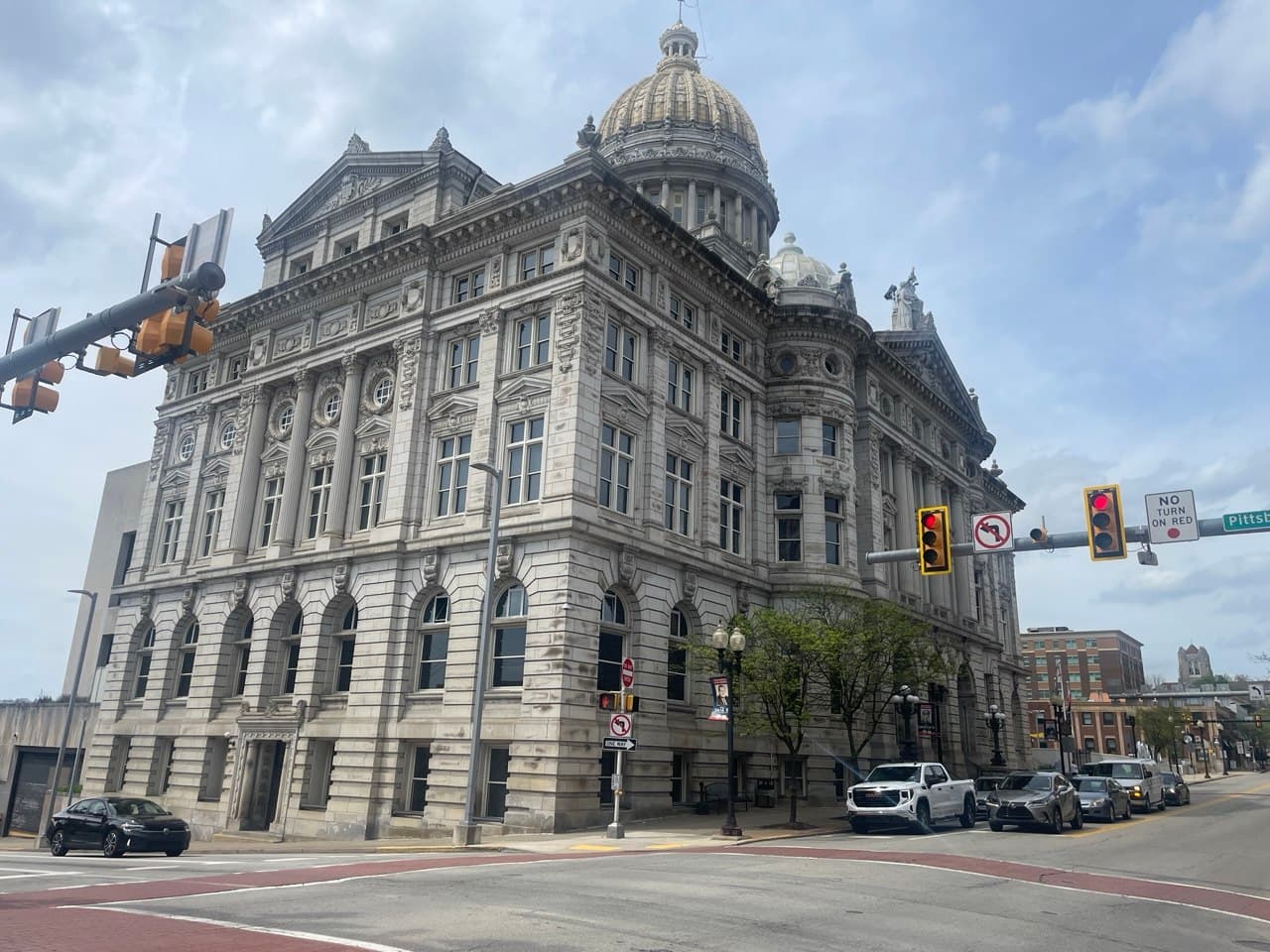
Westmoreland County Courthouse in downtown Greensburg, where many local criminal matters start feeling less like a single district-court date and more like a case that needs a real defense plan.
Greensburg court context
Leonard Law Group is based in Greensburg and handles matters that move through Westmoreland County courts, county process, and the practical local realities clients are actually facing.
Start Here
A strong defense usually starts with protecting the client from preventable mistakes, identifying legal weaknesses in the stop, search, statement, identification, or charging theory, and making sure the case does not drift toward the outcome the prosecution prefers simply because no one challenged the early assumptions in district court or beyond.
Firm fit
Leonard Law Group is built for matters that need practical judgment early, clear communication, and leverage that improves with preparation.
A bad statement, a casual interview, a consent search, or a poor decision about how to handle police contact can give the case facts it did not have before.
Police reports, bodycam, witness statements, forensic work, and chain-of-custody issues need to be read critically, not treated as automatically reliable.
Preliminary hearings, bail conditions, discovery review, and suppression issues can create leverage early if the defense is organized enough to use them well.
The right result may involve dismissal, reduction, diversion, mitigation, sentencing strategy, or record-clearing work later. The defense should think beyond the next date.
Where We Help
The practice covers both immediate defense needs and the longer-term consequences that can follow a charge, plea, or conviction.
Possession, intent-to-deliver allegations, paraphernalia cases, warrant issues, vehicle searches, and suppression questions tied to traffic stops, home searches, or broader investigations.
Simple and aggravated assault, domestic-related allegations, harassment, robbery, terroristic-threat accusations, and cases where self-defense, credibility, or overcharging may be central.
Retail theft, burglary, embezzlement, receiving-stolen-property allegations, fraud accusations, and other charges where proof, intent, restitution, and charge grading often drive leverage.
Possession allegations, carry issues, prohibited person cases, and charges where legal status, vehicle-search issues, and factual precision matter.
Cases that begin with a stop in Hempfield, Latrobe, North Huntingdon, Murrysville, or elsewhere in Westmoreland County and expand into searches, DUI allegations, contraband issues, or related criminal charges.
Expungement, limited access, pardon-related guidance, and evaluation of whether there are meaningful paths to reduce the long-term damage of an old case.
How Matters Usually Move
The right path depends on the charge and the evidence, but early defense work often matters more than people expect because it shapes what the prosecution thinks the case is worth and what the court expects from the defense.
The first step is often clarifying what has already happened, whether police contact is ongoing, what court dates exist, what release conditions apply, and what the client needs to avoid saying or doing next.
Reports, video, statements, forensic claims, and procedural history are examined for factual gaps, constitutional problems, and points where the prosecution’s story may be weaker than it looks.
Depending on the case, leverage may come from motion practice, mitigation work, county-specific diversion options, or a targeted effort to reduce the prosecution’s confidence in its evidence.
If a fair resolution is not available, the defense needs to be prepared to try the case. That preparation itself often changes the negotiations that come before trial.
Related Reading
A traffic stop can get worse fast if you do not know what you have to provide, what you can refuse, and when to stop talking.
Read articleA criminal case may begin in a local magisterial district court, but if it is held for court the next important stage usually shifts toward the Westmoreland County Court of Common Pleas in Greensburg.
Read articlePolice do not get automatic authority to search every vehicle they stop, but many drivers hand over that issue without realizing it.
Read articleA preliminary arraignment is usually the first court event after an arrest or warrant, and the decisions made there can affect bail, conditions, and what the next stage feels like.
Read articleIf police say they just want your side of the story, that usually means they are looking for statements they can use, not doing you a favor.
Read articleQuestions Clients Ask
Usually no. Trying to explain things often gives the case additional statements that prosecutors can use later. In most situations, the smarter move is to invoke your right to remain silent and get legal advice first.
Yes. Even weak cases can create pressure through bail conditions, court dates, reputation damage, firearm issues, license problems, employment fallout, and the cost of defending yourself. Weak evidence still has to be challenged properly.
That stage can be important because it tests whether the Commonwealth can establish enough evidence to move the case forward. It may also create discovery value, cross-examination opportunities, and leverage for later motions or negotiation.
Sometimes yes. That depends on the facts, the legal issues, the client’s background, the quality of the Commonwealth’s proof, and whether the defense creates enough pressure through motion work, mitigation, or credibility problems in the case.
Any charging paperwork, bail documents, hearing notice, screenshots, videos, witness names, and a short timeline help. The point of the first review is to identify what the firm handles, what should happen before the next court date, and where the real pressure points are.

If charges have been filed, a warrant may be coming, or police want to talk, get advice before another statement, another interview, or another court date puts you further behind. The next step is a practical review of the charge, the local process, and what can still be protected.